
PAM Torch Nut Wrench
Skills
- Solidworks
- Technical Drawings
- User Research
- Hands-on Prototyping
- Design for Manufacturing and Assembly
- Human-centered design
- Rapid Prototyping
- Leading meetings
Problem
During my intership at ATI Special Materials, maintenance personnel were over-tightening bolts on a VAR (Vacuum Arc Remelting) furnace. This was causing stripping in the bolt which lead to unplanned downtime and costly repairs. I was assigned by my manager to create a device that makes it clear when a ¼-turn has been completed on the nuts to make it easier for the SOP (standard operating procedure) to be followed. Key requirements included: cheap to make (expected to be lost frequently), functional device in two weeks from the project being assigned, and simple to use without instruction.
Solution
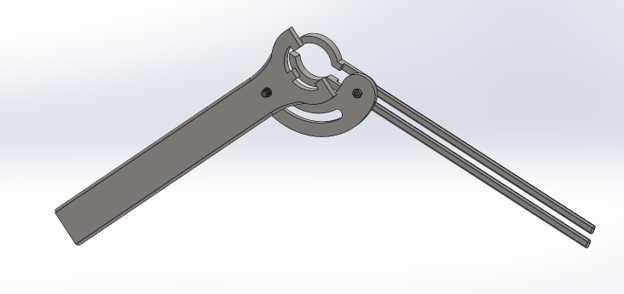
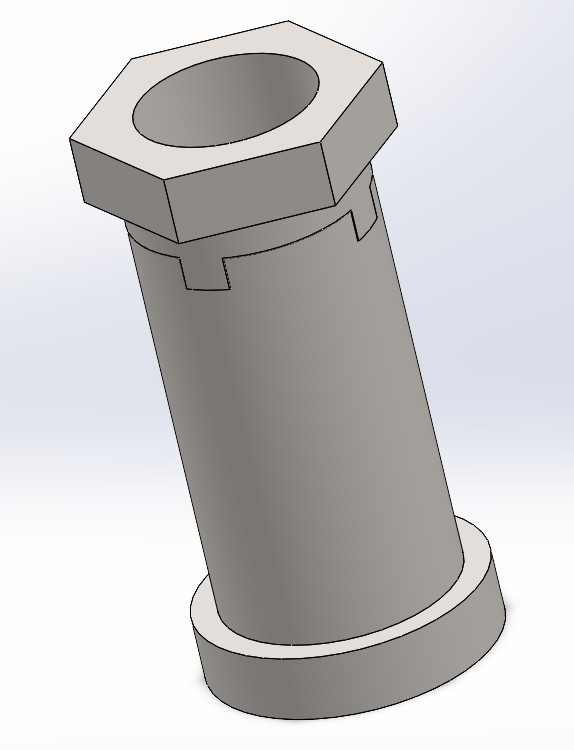
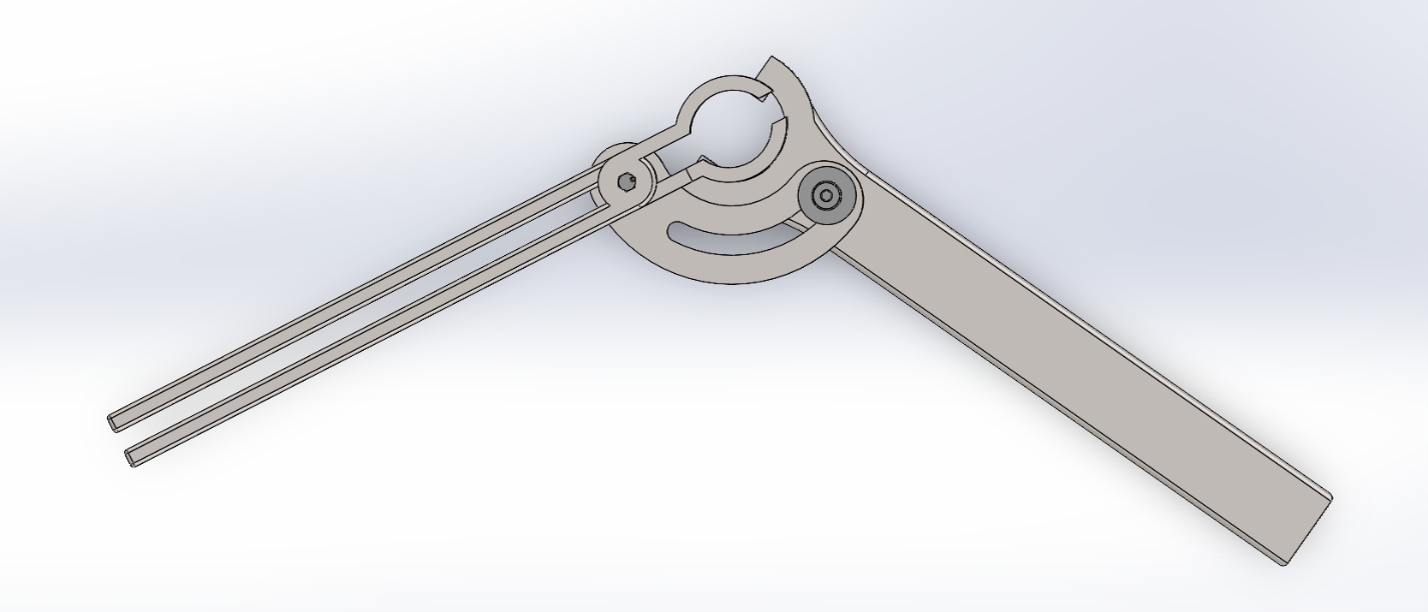
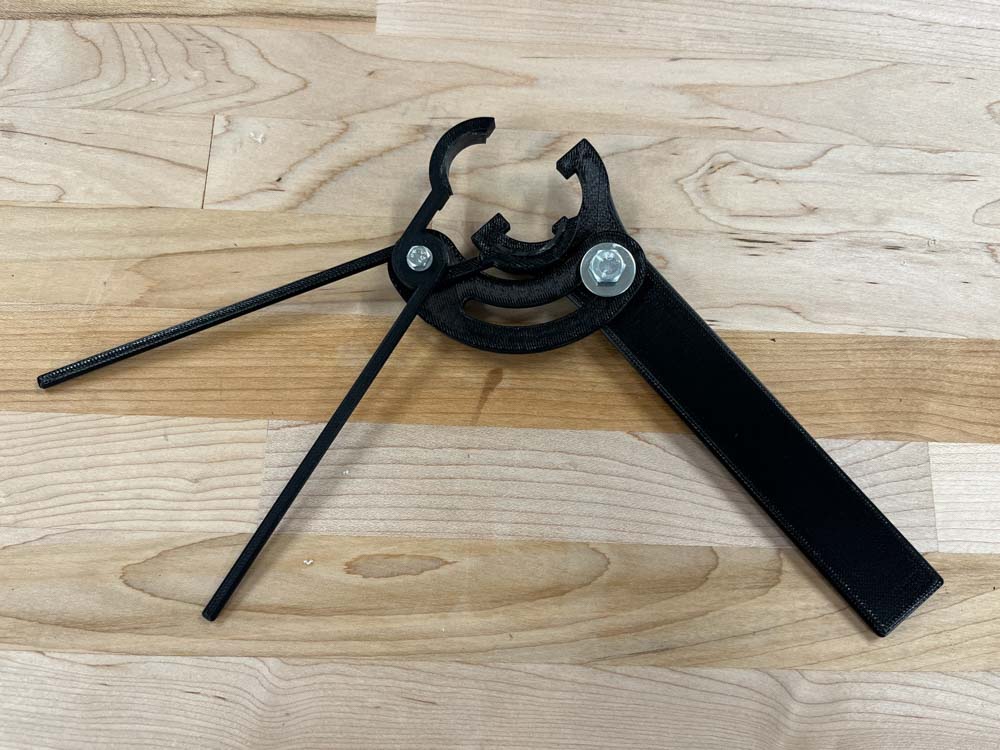
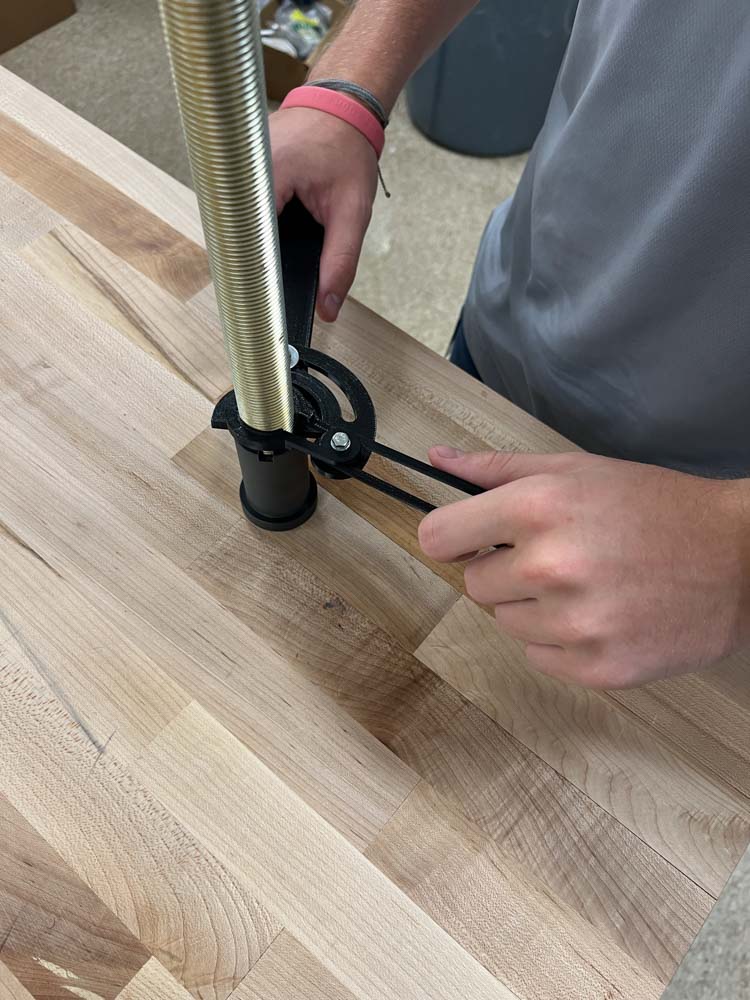
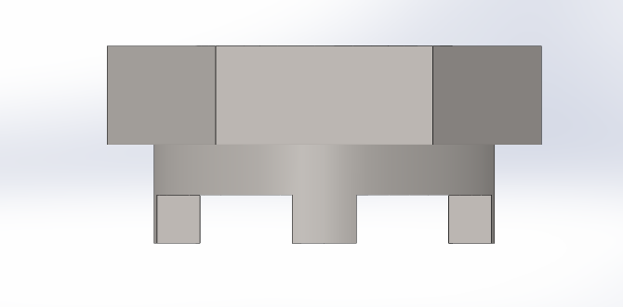
As seen in the original design above, a custom, notched wrench was made to fit the teeth shown on the right. It was determined that this design put too much stress on the teeth, so a custom nut was made to distribute the load better, and so a traditional wrench design could be adapted. From here, I followed a similar design as above where a wrench is attached to a rubber-coated (only on the handle and graspers to be comfortable on the hands and protect the threads), tong-like device. When the device is used, the tongs clamp to the bolt, and the wrench is used to turn the nut. This simplicity made it easy to implement and use correctly.
Basic Project Steps
-
- Conducted user research
- Brainstormed several ideas
- Identified viable ides
- Used 3D printing and available resources to test ideas
- Perform user testing
- Slight modifications to the grip on the wrench and tongs based on feedback
- Final testing
- Submit for implementation
Testing
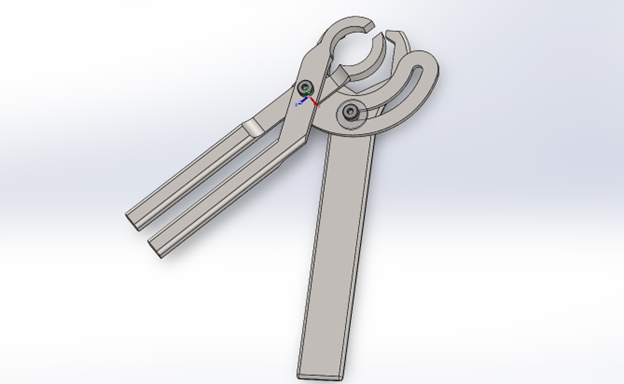
As stated in the solution section, testing showed a weakness in the three-pronged wrench. For this reason, a custom nut was been implemented, distributing the load better and allowing a traditional wrench to be used. Testing also found a weakness in the grips of the tongs; they were uncomfortable and too flexible. The grips were modified, as seen on the left, and received positive feedback. Testing found success in using a lock nut and shoulder bolt for smooth movement of the wrench.
Outcome
The tool provided a rapid, low-cost solution that was preferred by users during testing. Before I completed my internship, the tool was being implemented for use and incorporated into the furnace's standard operating procedure.
CAD model
15JacobWeberCustomTool
01JacobWeber
3D Rendering
3D Rendering