Simulated Water Bottle Drop
Skills
- SolidWorks (CAD)
- ANSYS (FEA)
- Dynamic Modeling
- Mesh Convergence
- CAD Simplification
- Engineering Validation
- Simulation Optimization
- Engineering Analysis
- Problem Solving
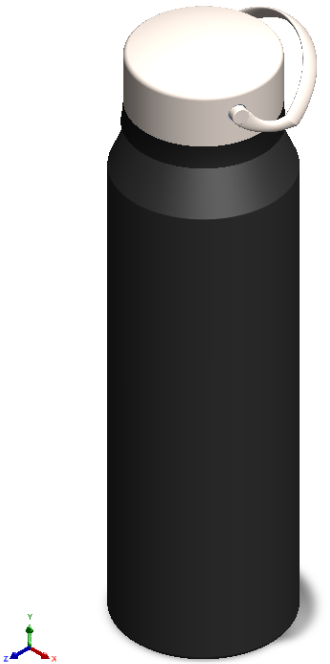
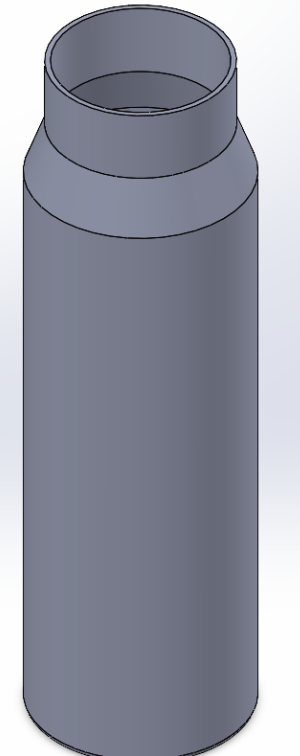
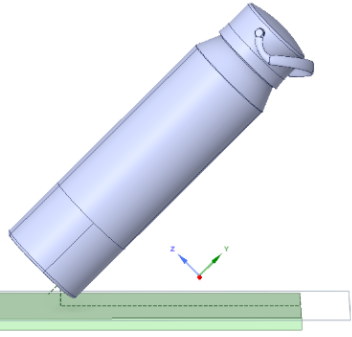
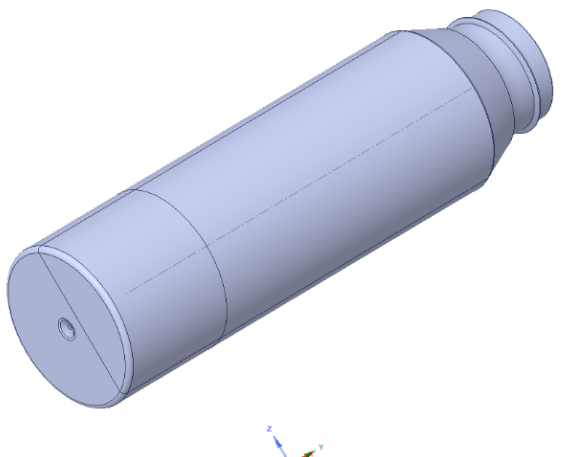
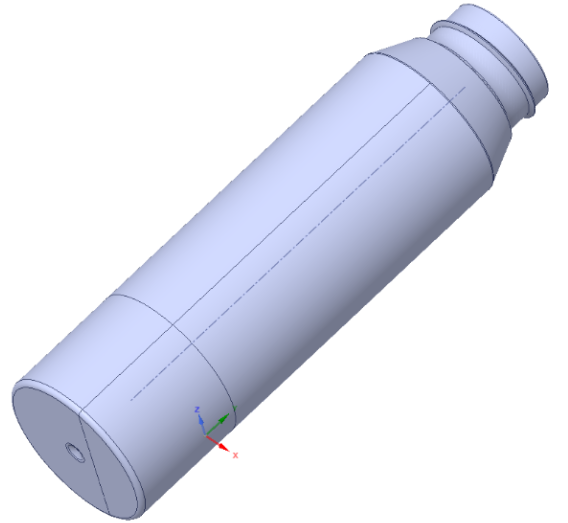
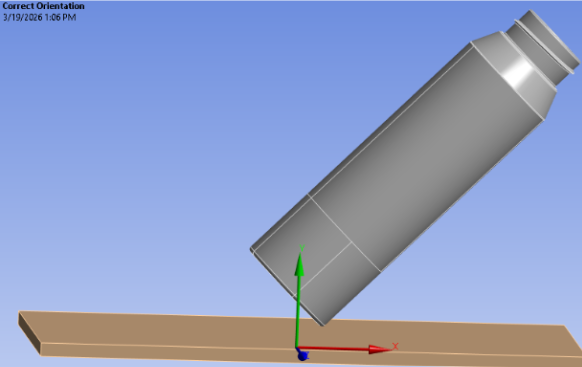
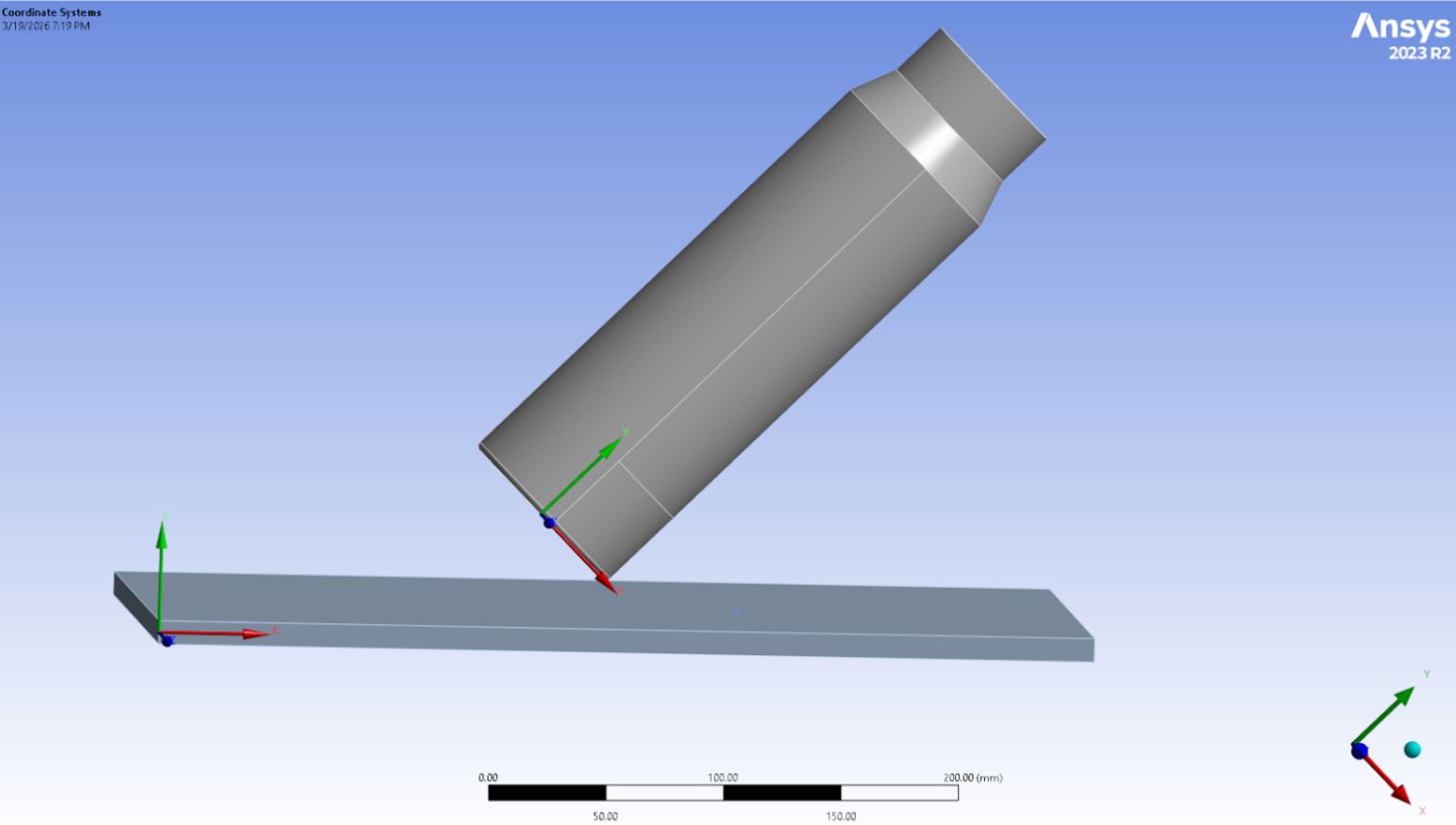
The Original model can be seen on the left. The final simplified model is on the right.
Problem
Water bottles are a daily-use item that some people, including me, keep on their person all day. A curse of carrying your water bottle everywhere is that it is occasionally dropped or pushed off a table. My purpose in conducting this analysis was to determine at what height an empty water bottle will plastically deform. I also enjoy FEA, so another purpose was to learn how to perform a dynamic simulation.
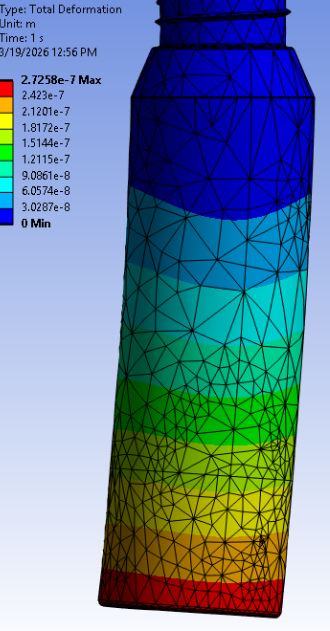
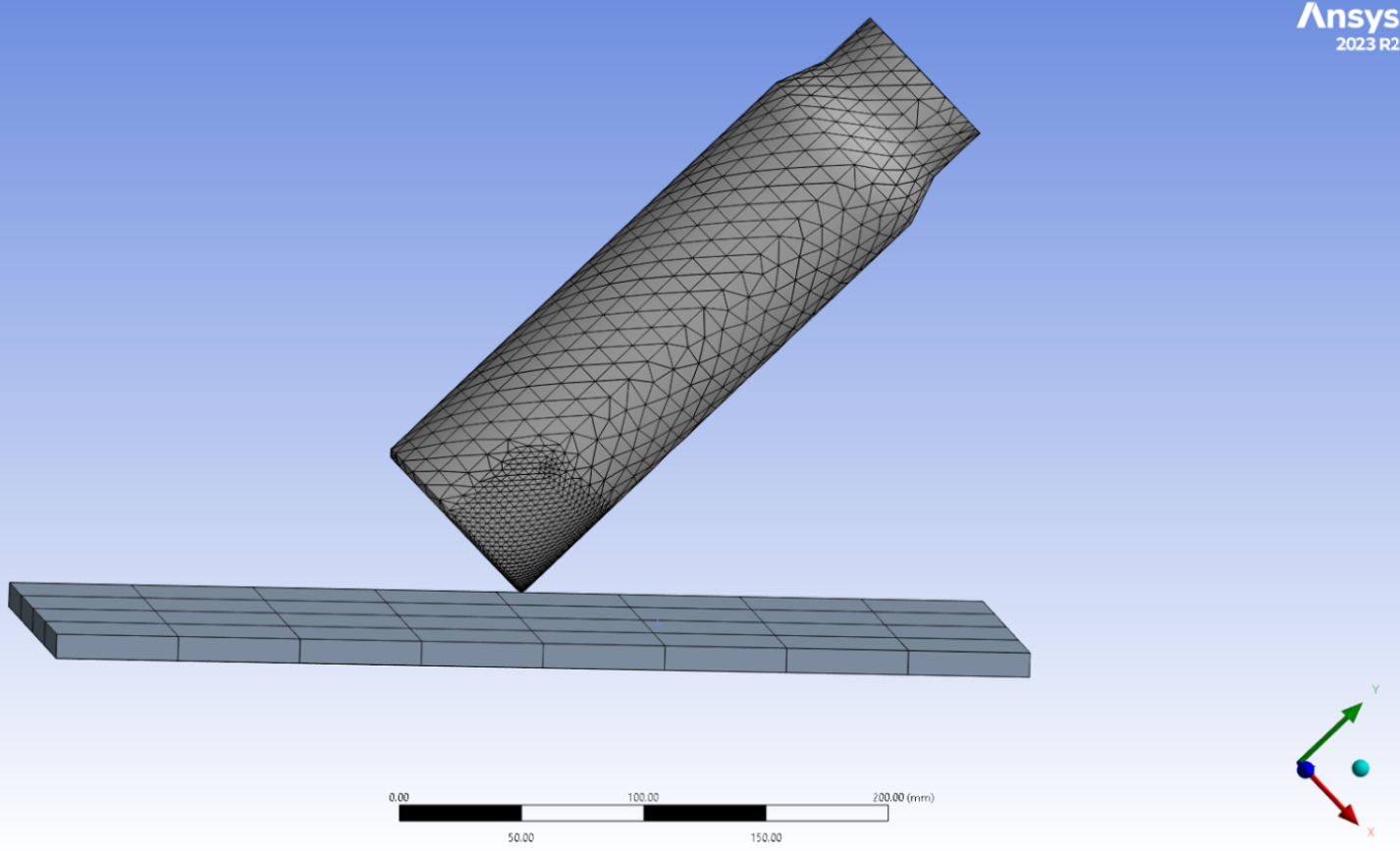
Simulation for mesh convergence
Solution
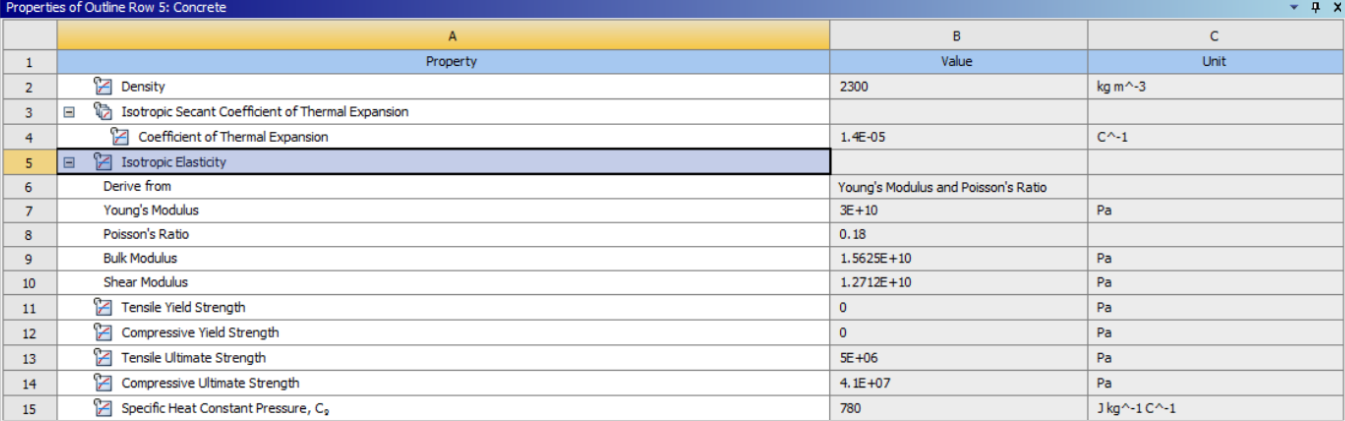
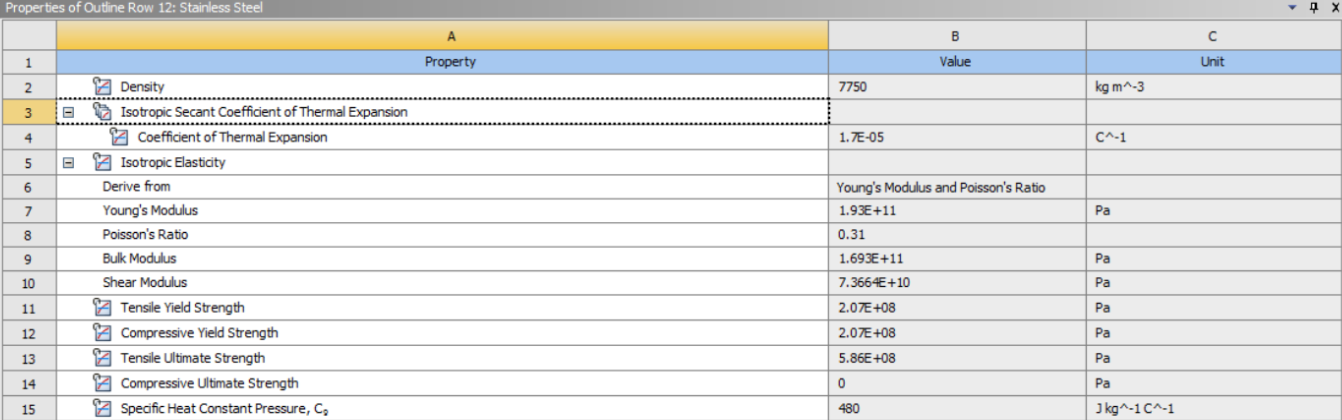
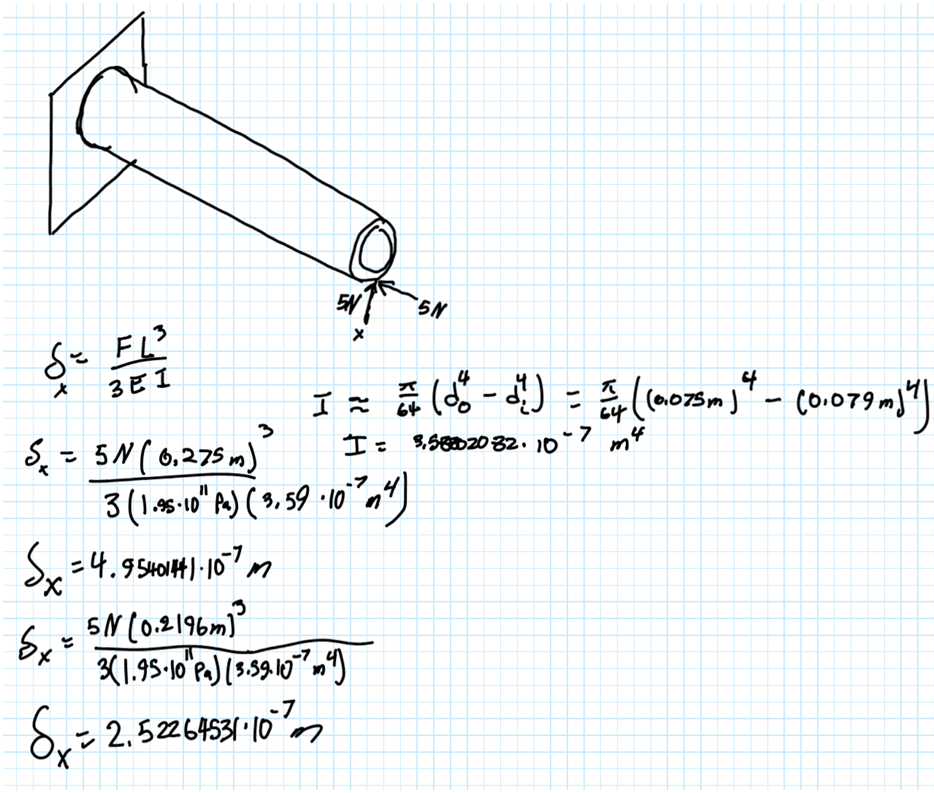
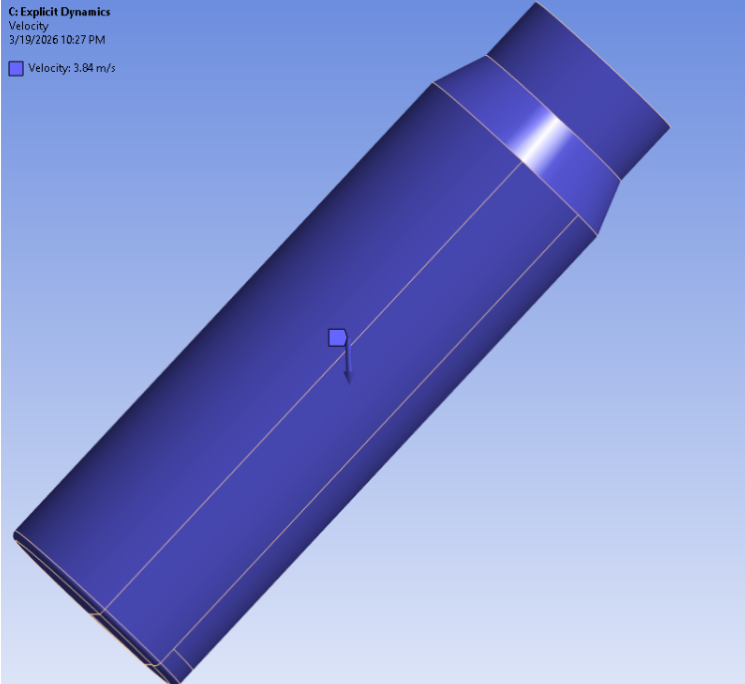
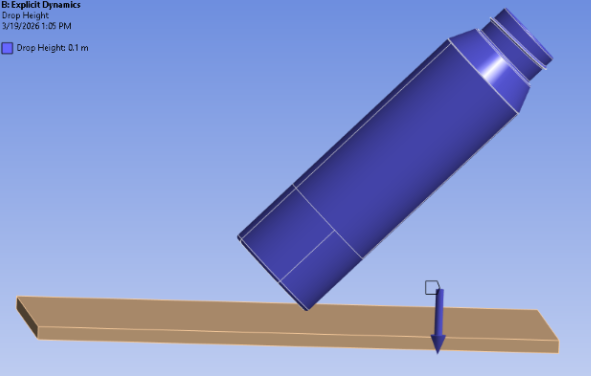
I took a model of a water bottle and simplified it to reduce nodes and elements. I also created a “concrete floor” for the water bottle to collide into. After additional work was done to prepare the model for analysis, I made the simulation more efficient by performing mesh convergence studies and comparing them to hand calculations. Then I used explicit dynamics in ANSYS to run the simulation, looking for strain to see when strain would exceed what was needed to have plastic deformation occur.
Basic Project Steps
-
- Found an open-source CAD model
- Used SolidWorks to simplify the model
- Added splits in ANSYS SpaceClaim
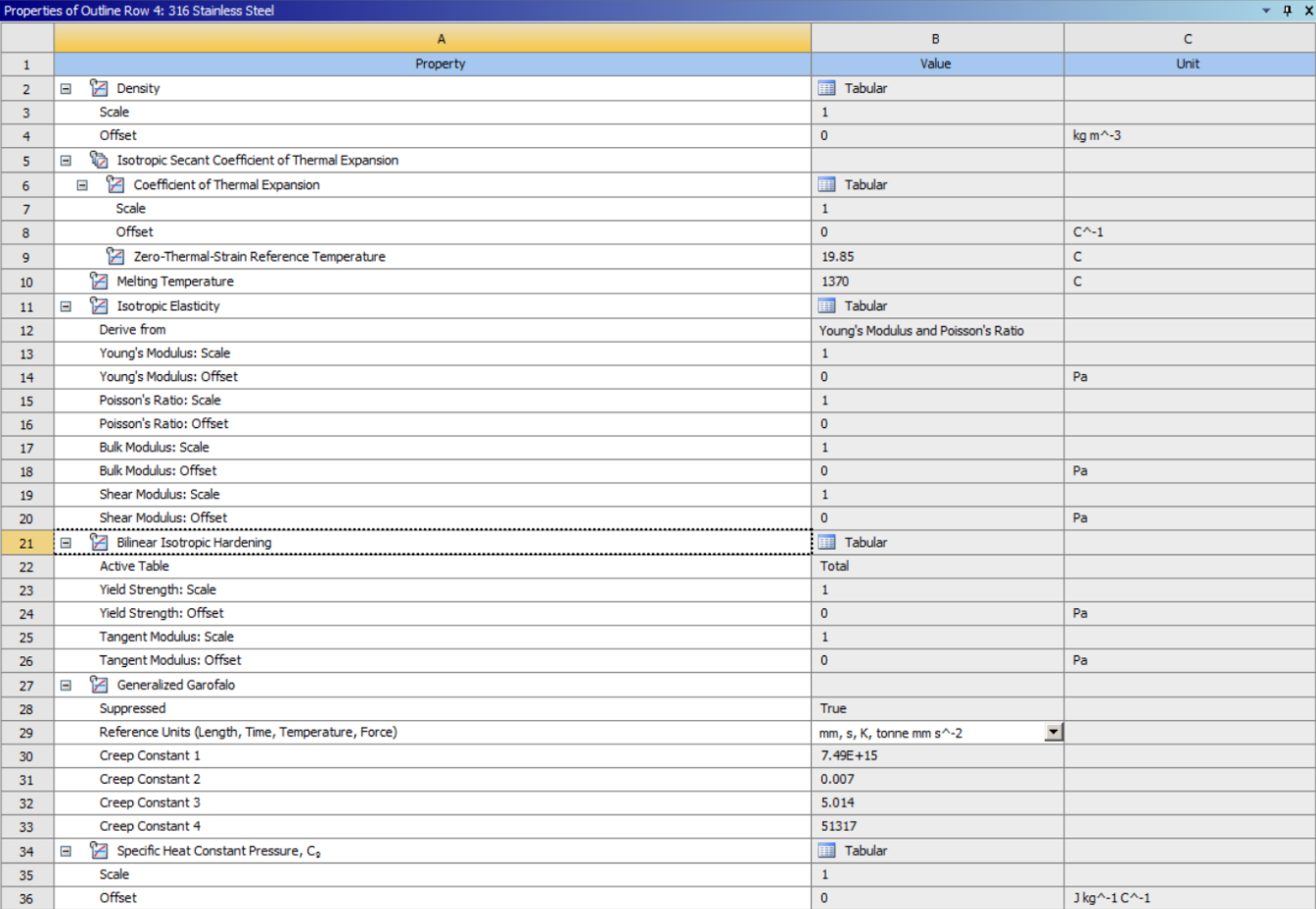
- Added 316 SS as a custom material
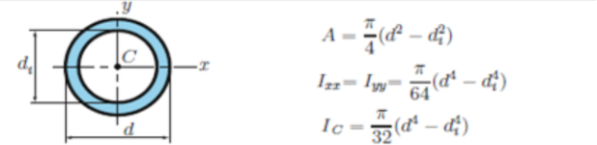
- Completed hand calculations
- Performed mesh convergence and compared to hand calculations
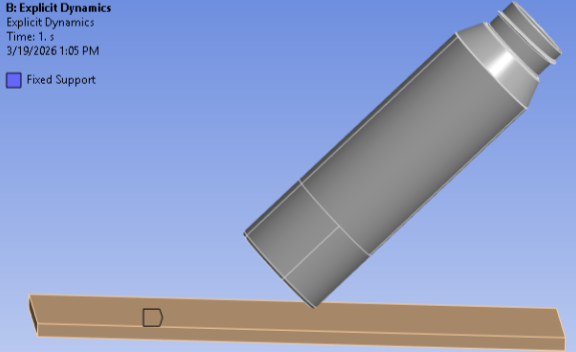
- Created “concrete slab”
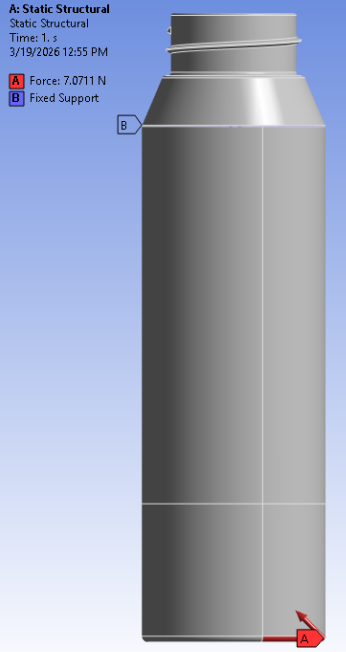
- Added correct coordinate systems and other settings
- Ran simulation on explicit dynamics
- Ran simulations till strain exceeded what was required to plastically deform the material
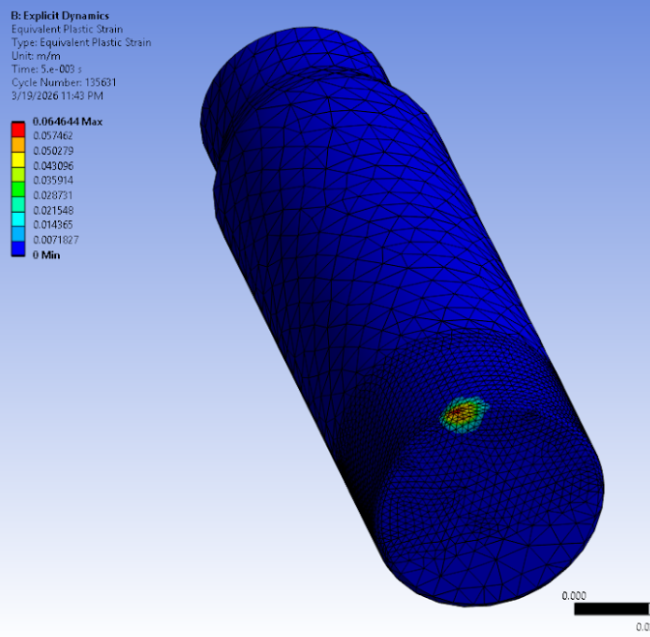
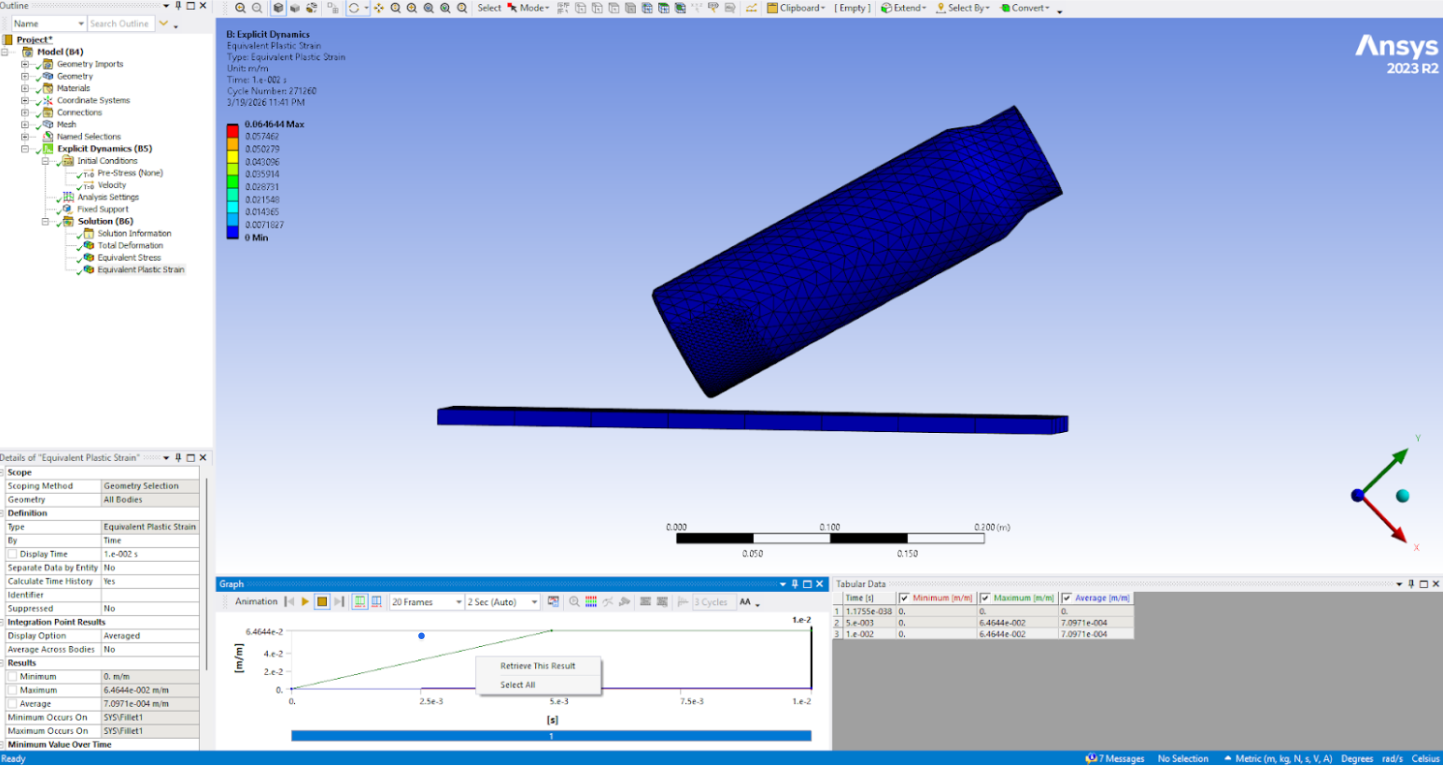
Final results for explicit dynamics simulation
Testing
Testing was focused on validating the accuracy and efficiency of the simulation. I performed multiple mesh convergence studies, compared simulation results against analytical calculations, and repeatedly adjusted model parameters to improve solver performance. Through this process, I learned how model simplification, node count, display time, and initial conditions dramatically influence explicit dynamics simulations and developed a systematic approach to diagnosing convergence and computational limitations.
Outcome
The final simulation successfully captured localized plastic deformation during impact and validated my simulation approach. More importantly, this project taught me how to build efficient explicit dynamics models, validate simulations with engineering calculations, and think critically about the tradeoffs between model complexity, accuracy, and computational cost. I spent more time than I should have making an accurate model work when I should have simplified the model further so I could focus on the corner which was the focus of the simulation and I am excited I learned that along with explicit dynamics.